India - Delhi, the Golden Triangle and Rajasthan

Often we travel to destinations where the hype shapes our expectations long before we arrive. For me, with India, it is virtually impossible for this diverse and enriching country to be over‑hyped. In over 30 trips I have never once felt underwhelmed. Each visit has offered an explosion for the senses: sights, sounds, colours, smells, heady chaos and then, just when you least expect it, a pocket of serendipitous tranquillity. I like to think of myself as a well‑travelled cynic, resistant to slogans and glossy campaigns, yet even I have to admit that “Incredible India” rings true, every single time.
To begin to understand India today, you also have to acknowledge its past. The story is not only one of majestic forts and shimmering palaces, but also of the trauma of Partition in 1947. Travelling through the north, you feel the echoes of that moment: families with roots on both sides of the border, layered identities, cities that absorbed vast movements of people almost overnight. It is a chapter of history marked by pain and displacement, yet alongside it you find remarkable resilience, community and an ongoing effort to live out the values of tolerance and non‑violence that Gandhi championed. For me, Gandhi’s legacy is not confined to memorials and statues, but alive in the countless small acts of kindness and dignity I encounter on the road.
For many travellers, the natural starting point is Delhi: a compelling introduction to both the legacy of the British Raj and the story of independent India. New Delhi’s broad boulevards and official buildings feel a world away from Gandhi’s memorial in the older part of the city, yet together they tell a powerful story of empire, struggle and nation‑building. Then there is Old Delhi, with the Red Fort built by Shah Jahan, the imposing Jama Masjid and the chaos of Chandni Chowk, where lanes, markets and rickshaws somehow weave around each other in a choreography that should not work but always does. Nothing cures jet lag like throwing yourself into this intoxicating scene. Every time I emerge from a night flight and find myself in the thick of it, I feel instantly alive and, despite the sensory overload, deeply safe and grounded.
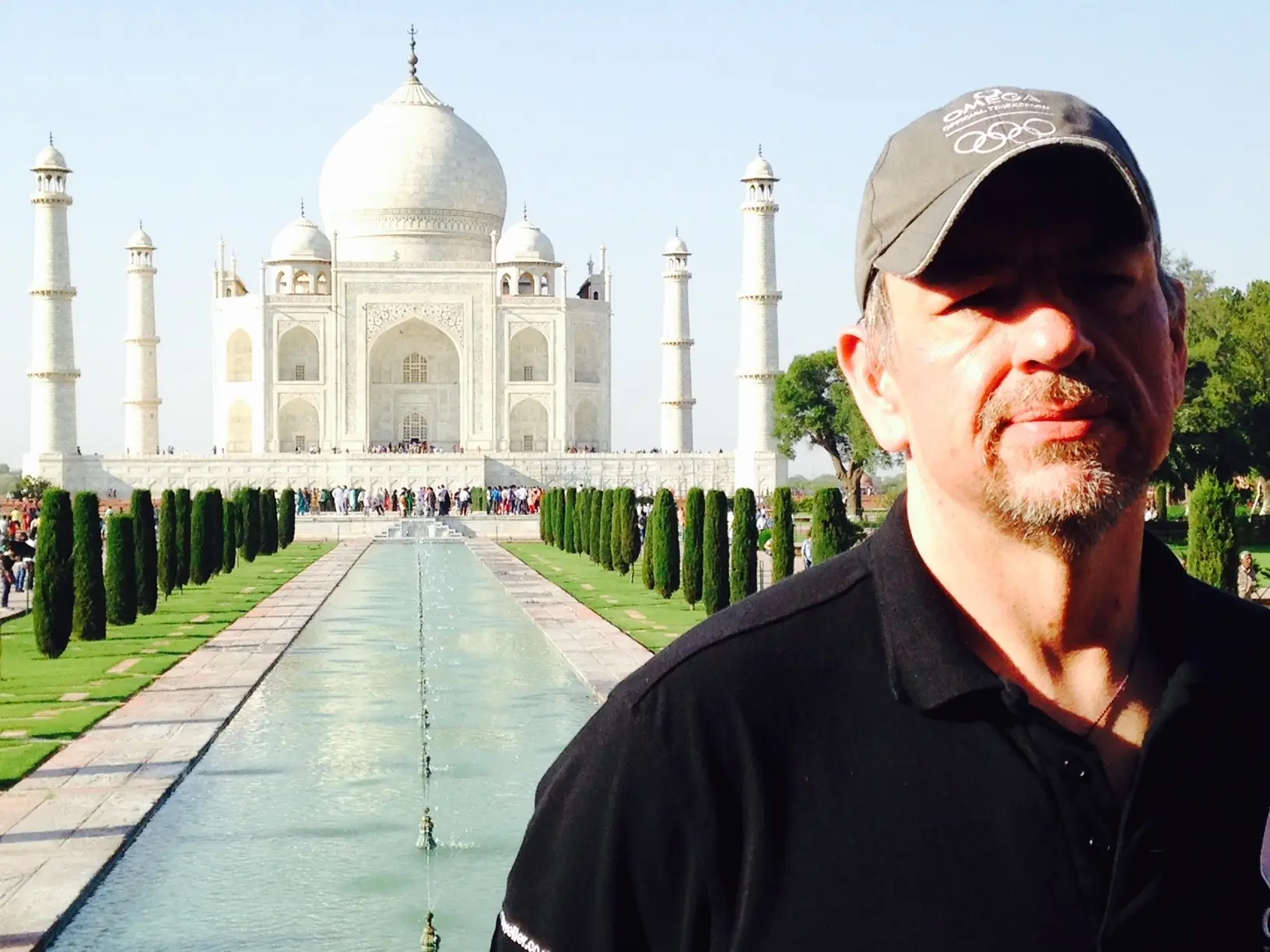
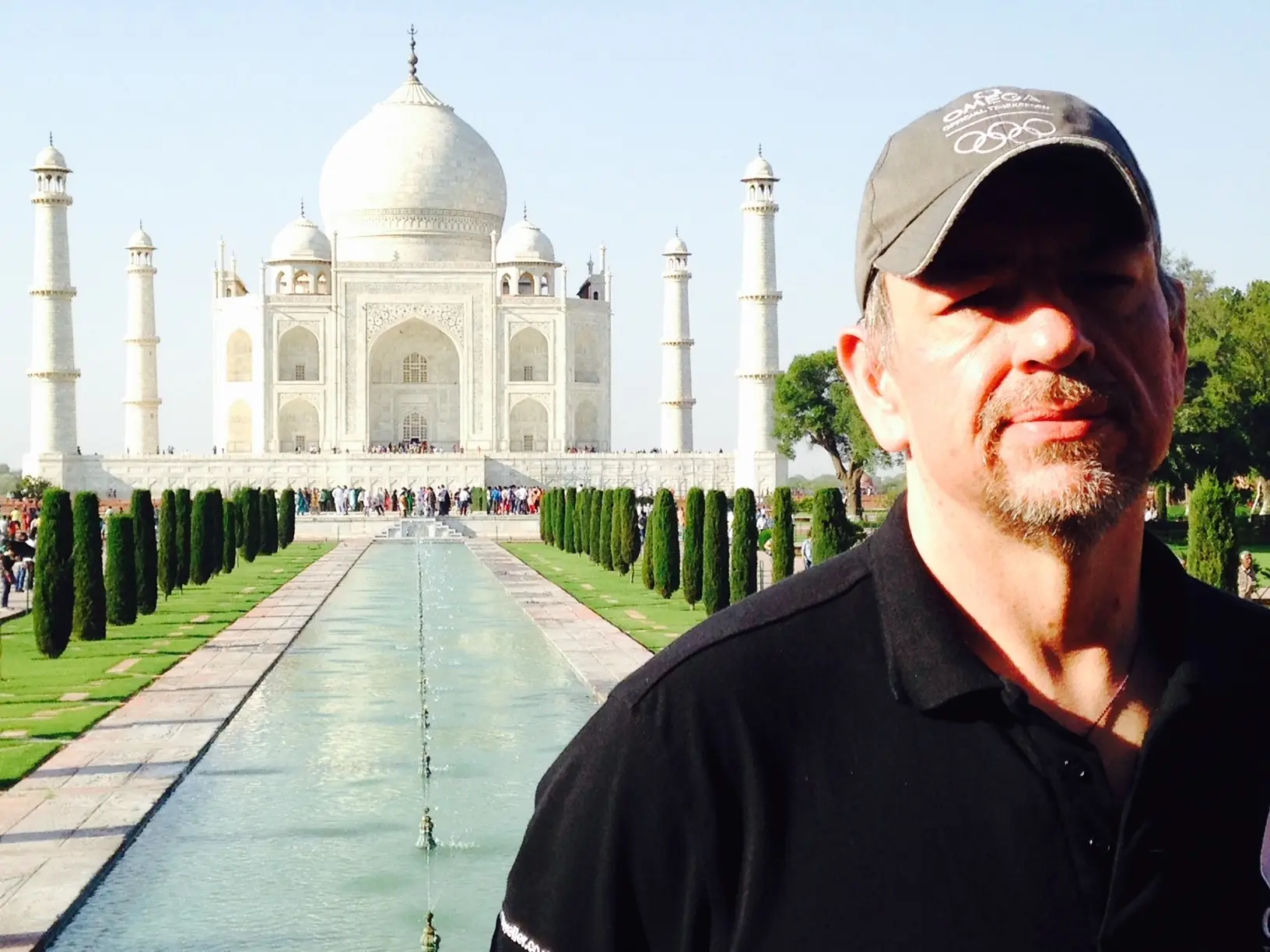
The gleaming white Taj Mahal in Agra is, of course, one of the world’s most exquisite and moving buildings. Yet there is so much more to Agra than that famous silhouette. Itimad‑ud‑Daulah’s Tomb, often described as a precursor to the Taj, is a delicate jewel box of a monument. I like to introduce people to the Taj from the Moonlit Garden across the river, letting them take in the monument at a slight distance before we get closer. Today the crowds are controlled with timed entrances and, although many visitors race to arrive at sunrise, I am very fond of sunset, when the mist has usually lifted and the domes glow gold. As a tour leader, guiding guests through the gate to that first, framed view never loses its magic. I still get goose bumps watching normally chatty groups fall silent, then break into smiles and quiet exclamations. Those moments remind me exactly why I love what I do.
Everyone has seen the central aisle and the “Diana bench” in photographs, but I always encourage people to wander the gardens at the sides, where bougainvillea in vivid pink, red and orange creates new angles and compositions. Even after so many visits, I am never jaded here. The Taj has become a symbol of India in the world’s imagination, yet up close it is also intensely personal: you notice the inlay work, the calligraphy, the play of light on marble. It reminds me that behind the great sweep of Indian history are human stories of love, loss and remembrance.
Rajasthan, the Land of Kings, formerly known as Rajputana, is another place where history and contemporary life sit side by side. Once made up of princely states, it still wears its heritage openly: opulent palaces, hilltop forts, intricate temples and a culture that is both proud and generous. Jaipur, the Pink City, and Udaipur, the city of tranquil lakes, are wonderful places to capture the essence of India without feeling rushed. Both cities have stepped into the global spotlight through films such as “The Best Exotic Marigold Hotel”, yet beyond the cameras they remain very real, very human places.
In Jaipur, one of my greatest joys is visiting my good friend Jaidee, the grandson of a Maharajah. Well‑spoken and rather dashing, he and his wife, Divika, run a small family guest house that offers exactly the sort of experience you will never find in a brochure. Sitting down to a home‑cooked meal, hearing their family stories and exchanging perspectives on life is always a highlight. These are the moments that remind me that India is not just somewhere I send clients; it is a place where I have built connections and friendships that I genuinely cherish. I smile and miss them as I write this.
Still ruled by a much‑respected Maharaja, Udaipur has a very different, gentler energy. The magnificent City Palace forms the heart of the city, overlooking Lake Pichola and the famous Lake Palace that appears to float on the water. Over more than 400 years, successive rulers created an architectural masterpiece of courtyards, balconies and halls. Away from the palace, Udaipur is a wonderful place simply to stroll, browse for textiles, crafts and miniature paintings, and practice haggling in the markets. There is something about the combination of lakes, encircling hills and soft evening light that makes it the perfect city to pause, breathe and reset. For me, Udaipur is where I go, in my mind, when I need to remember balance and beauty.
Wildlife is another essential thread in the Indian tapestry. In Rajasthan, Ranthambore National Park offers the chance to see tigers in their natural habitat. Once the hunting grounds of the Maharajas of Jaipur, it is now a protected area where Royal Bengal tigers share space with a wide array of birds and other wildlife. A massive fort crowns the landscape, while crumbling temples and old walls emerge from the jungle, giving the park an atmosphere that feels almost mythical. The park is divided into zones, with strict limits on vehicles, and I always recommend two or three game drives to maximise the chance of a sighting. The thrill of encountering a tiger in the wild is something that cannot be manufactured or guaranteed, which, to my mind, makes it all the more special when it does happen.
Beyond these better‑known stops, there are many other layers to explore. Jodhpur, on the edge of the Thar Desert, with the mighty Mehrangarh Fort looking down over the blue‑washed old city, combines beautifully with the Pushkar Camel Fair, a riot of colour and spectacle. Time a journey with Holi and you experience an India of colour, music and celebration that will stay with you long after the powders have washed away. Everywhere you go, you are reminded that this is a country that has lived through immense change, from empire to independence to Partition and beyond, yet continues to reinvent itself while holding fast to deep cultural roots.
Gandhi’s presence runs like a quiet, steady current beneath all of this. From Sabarmati Ashram to Raj Ghat and countless statues and street names, his image is visible, but it is his ideas that I find myself thinking about most when I design itineraries. How can travel honour principles of respect, non‑violence and truth? How can we engage meaningfully with the places and people we visit, rather than simply passing through? India, with its complexity and contrasts, invites those questions every day.
I could go on endlessly, and in some ways India always leaves me wanting to. If reading this has stirred your curiosity, I would love to help you experience the India I adore. Whether you would feel more comfortable on a small group tour for a first visit, or prefer a completely bespoke journey that weaves in special encounters and quieter moments, we can shape an itinerary that reflects your interests and comfort levels while acknowledging the rich, sometimes challenging, always fascinating history that underpins modern India.
I promise you: it will be, in every sense, truly incredible.
GET IN TOUCH
Share your travel plans with us and we'll handle the details with care, so you can simply enjoy the journey
ADDRESS
24 Colehill Lane, Fulham, London SW6 5EG
PHONE
CONTACT
If you are planning a trip and want it handled with care, book a consultation and start the conversation.


Be the first to hear about our new offers and destinations
© Copyright 2026 And Breathe Travel. All rights reserved.